Kenya counts its wildlife every year, and some of that counting happens with regular travelers behind the camera, not just researchers. The country’s biggest citizen-science count is the Great Grevy’s Rally. It puts visiting photographers and safari-goers into survey vehicles alongside scientists for one weekend every two years. Kenya also runs a separate professional government census that produces the national numbers you see in headlines. That census stays closed to the public.
Touring Insights put this guide together to sort out which counts you can actually join, how the process works, and what it costs. It also covers how to plan a trip around one, plus smaller ways to feed data into ongoing research on an ordinary game drive, no special event required.
What Kenya’s National Wildlife Census Actually Is
The Wildlife Research and Training Institute (WRTI) runs Kenya’s National Wildlife Census. It is a government-led aerial and ground survey covering the whole country. Its most recent cycle, covering 2024 to 2025, logged 1,518 flight hours plus ground counts, camera traps, and marine assessments. President William Ruto released the results on 11 December 2025.
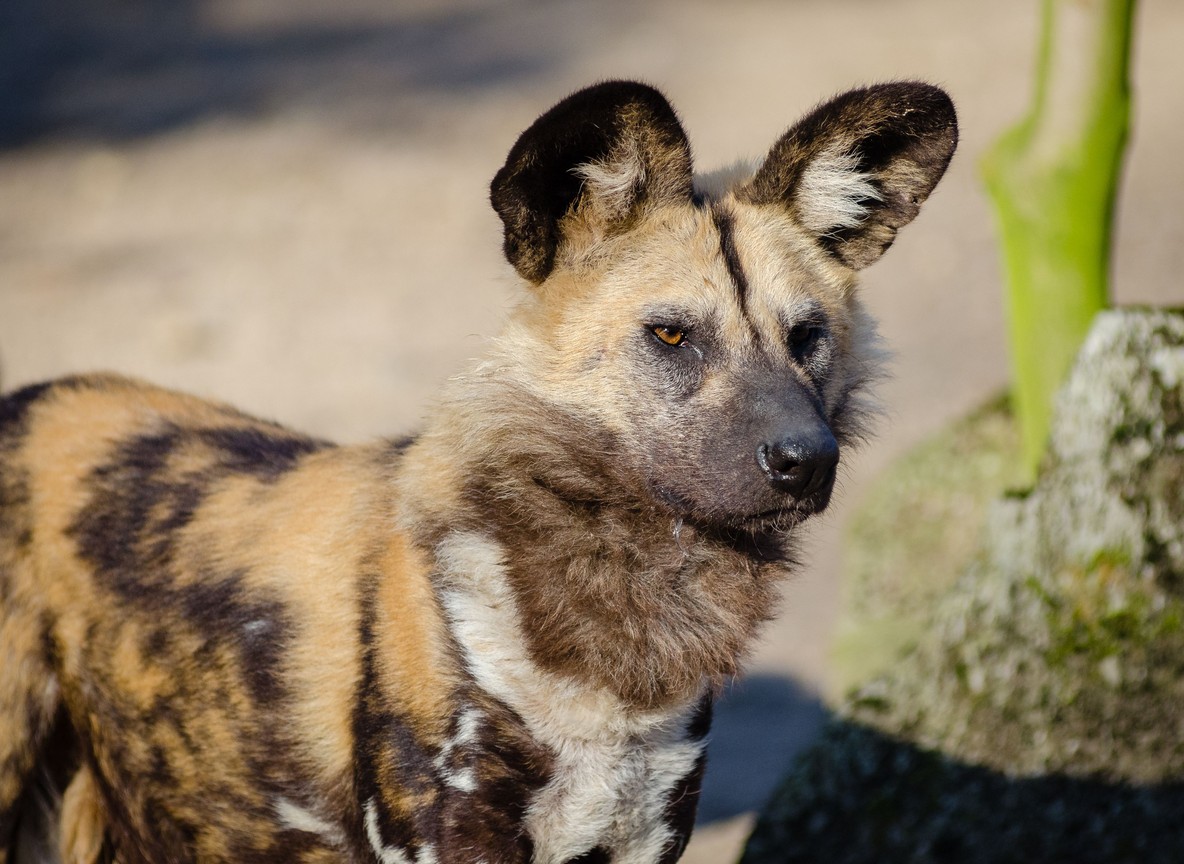
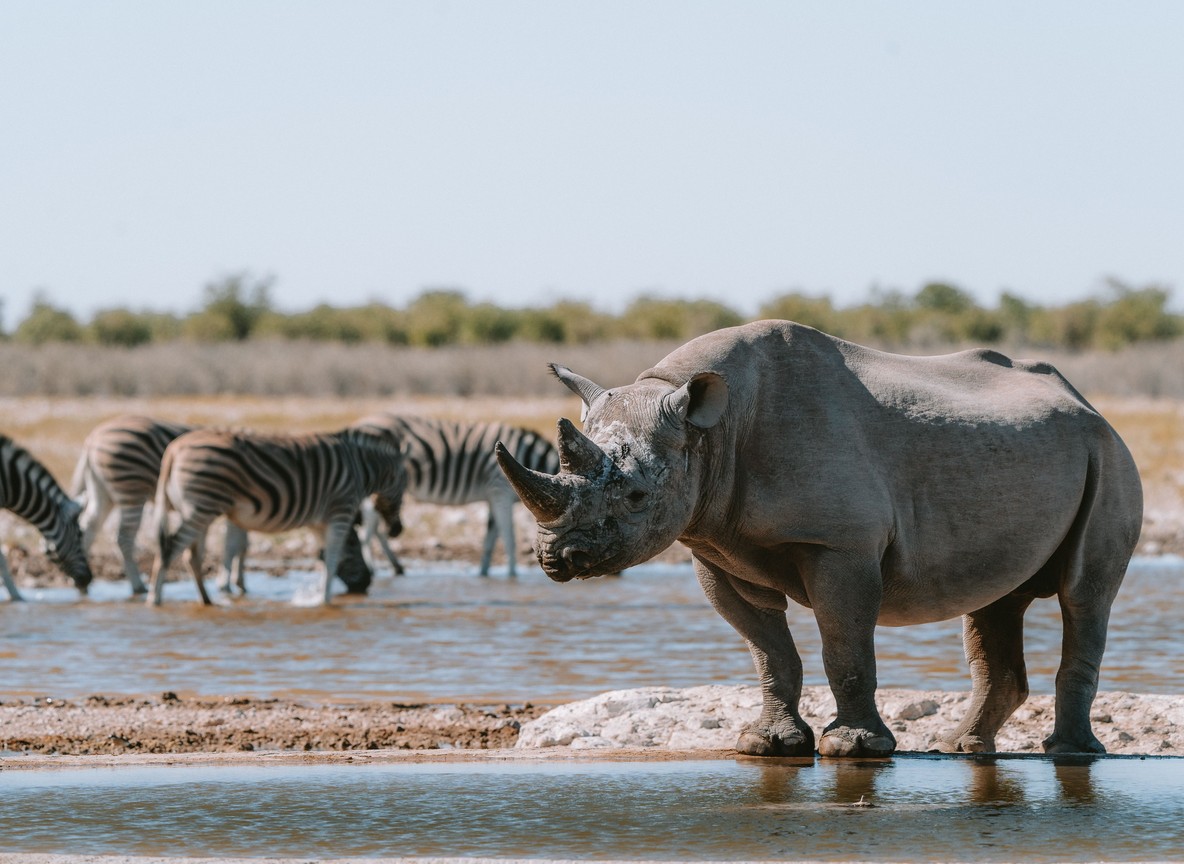
The findings were mixed. Elephant and black rhino numbers grew about 4%. The census recorded 2,512 lions, 605 cheetahs, and 310 African wild dogs. Waterbird populations across 11 key sites fell by roughly 80%, a sharp warning sign for wetland health.
This census is scientific fieldwork, not a tourism product. Flight crews and ground teams are WRTI staff and trained partners, not paying visitors. If a “wildlife census” is the trip you pictured, the real one you can join is different. It targets a single species.
The Great Grevy’s Rally: A Count Travelers Can Actually Join
The Great Grevy’s Rally (GGR) is a two-day photographic census of the Grevy’s zebra. It is Kenya’s endangered, narrow-striped zebra species, found almost nowhere else on Earth. Roughly 2,500 Grevy’s zebras remain worldwide, and Kenya holds about 90% of that population. Most live across Laikipia, Samburu, Isiolo, and Meru counties.
Grevy’s Zebra Trust runs the rally with the Kenya Wildlife Service, Kenya Wildlife Trust, San Diego Zoo Wildlife Alliance, and Marwell Wildlife. Unlike the national census, the rally is built around volunteer teams. These teams include Kenyan and international citizen scientists, students, photographers, and conservancy staff working side by side. Organizers have set the next rally for the weekend of 27 and 28 January 2026.
How the Rally Count Works
Each Grevy’s zebra has a stripe pattern as individual as a fingerprint, which makes photography a workable census method. Teams drive assigned transects across a fixed survey grid and photograph every Grevy’s zebra they see from a safe, non-disruptive distance. Photo-identification software later matches individual zebras across thousands of images to avoid double-counting and estimate the total population.
Volunteers gather the day before the count for a briefing, usually staged through Nanyuki. There, organizers cover data-collection protocol, GPS transect assignments, and safety rules. During a past rally, roughly 120 teams and 500 volunteers together produced about 40,000 photographs in a single weekend. That is a scale no research team could manage alone.
Who Can Join and What to Expect
You do not need a science background to take part. The rally accepts teams built from tourists, local conservancy staff, students, and professional researchers. Most vehicles pair an experienced local driver-guide with two or three visiting counters. You register a team, or ask to be placed with one, through the official sign-up channel at greatgrevysrally.com.
Expect two full field days of early starts, dusty transect driving, and a genuine sense that your photographs matter to the final count. Organizers assign accommodation and survey areas in advance, usually at conservancies or camps inside the survey zone. Costs are not centrally fixed. Budget for camp or lodge accommodation at your chosen base, plus a vehicle and guide, in the same indicative range as a standard Laikipia safari package. GGR itself does not charge a participation fee, but it does not cover your safari logistics either.
Other Ways to Contribute Data on a Standard Safari
Not every trip lines up with rally weekend, and that is fine. Several Maasai Mara conservancies support long-running predator research programs that accept sighting photos from ordinary safari guests. Researchers use visitor images to help identify individual lions by whisker-spot patterns and scars. These sightings feed ID databases that would otherwise depend on a small research team alone.
Ask your guide or camp research liaison whether your conservancy runs a predator-ID or sighting-log program before you go. Many camps in Mara North, Naboisho, and Olare Motorogi conservancies already brief guests on this during the welcome talk. A quick question at check-in usually gets you a clear answer.
These smaller programs will not produce a national headline figure the way the Grevy’s rally or the WRTI census does. The underlying value, though, is the same. A logged sighting with a date, GPS point, and clear photo turns an ordinary game drive into a small, usable data point for researchers. It helps them track individual animals over years, not just live on as a memory on your camera roll.
Kenya Wildlife Census Count: Facts to Check Before You Plan
| What to Check | Real Figure or Detail |
|---|---|
| Great Grevy’s Rally 2026 dates | 27-28 January 2026, held every two years |
| Grevy’s zebra global population | approx. 2,500, about 90% found in Kenya |
| Rally survey region | Laikipia, Samburu, Isiolo, and Meru counties |
| Past rally scale | approx. 120 teams, 500 volunteers, 40,000 photos in one weekend |
| National Wildlife Census 2024-2025 flight hours | 1,518 hours of aerial survey |
| National census 2025 results | lions 2,512, cheetahs 605, wild dogs 310, elephants and black rhino up approx. 4% |
| Nairobi to Nanyuki (rally staging point) | approx. 200 km, 3-3.5 hours by road |
| Nairobi (Wilson Airport) to Laikipia airstrips | approx. 45-60 minutes by air |
When to Plan a Trip Around a Wildlife Count
If joining the Great Grevy’s Rally is the goal, build your Kenya trip around the fixed late-January weekend. Register a team early, since survey zones and camp space fill ahead of the count. Outside rally season, plan a Laikipia or Samburu itinerary at any time of year and simply ask your host conservancy about ongoing Grevy’s zebra monitoring. Conservancy rangers track individual zebras year-round and can often explain the current photo-ID process, even without a formal event running.
Travelers focused on Mara predator research should ask about conservancy sighting programs when booking. Availability and format vary by camp and season. A short planning call with your operator before you travel confirms whether your dates line up with any active count.
Explorer Notes
Several things help once you are in the field. Bring a camera or phone with a zoom lens rather than relying on wide safari shots. Rally photo-ID needs a clear, full-flank view of each zebra’s stripe pattern. Shoot from the vehicle only and keep engines idling low near skittish animals. A spooked herd can cost your team a full transect pass. Note the GPS point and time for every sighting immediately, not at the end of the day. Memory blurs fast after eight hours of driving. If you are on a predator-ID program instead, ask your guide to confirm the individual lion’s name or code before you leave the sighting. That way your photo gets logged against the right animal in camp records.
What to Read Next
- Curious what the latest national numbers actually mean for your trip? Read our Kenya wildlife census 2026 results guide.
- Want a longer, hands-on conservation stay instead of a single weekend? See our Kenya wildlife research station volunteering guide.
- Interested in a dedicated rhino-focused program? Check our volunteer rhino conservation programs in Kenya guide.
FAQ
Can any traveler join the Great Grevy’s Rally? Yes. Teams include tourists, students, and local conservancy staff alongside professional researchers. You register through the official rally sign-up channel and get placed with a team and survey area.
Is the Kenya National Wildlife Census open to visitors? No. It is a government-led aerial and ground survey run by WRTI staff and trained partners, not a program travelers can join directly.
Do I need photography experience to help count Grevy’s zebras? No. Basic camera skills and a willingness to follow transect and safety instructions are enough. Teams pair less experienced counters with an experienced local guide.
When is the next Great Grevy’s Rally? The next rally runs the weekend of 27 and 28 January 2026, in Laikipia, Samburu, Isiolo, and Meru counties.
Are there ways to contribute to wildlife research outside the official rally weekend? Yes. Several Maasai Mara conservancies run ongoing predator-identification programs that accept guest sighting photos on a normal safari, no special event needed.
Planning a trip around a real wildlife count adds a layer most safaris never touch. It means hands-on data collection instead of just watching from the vehicle. Visit our Tour Packages page to find a Laikipia or Maasai Mara itinerary that can flex around rally dates. Or ask a partner operator to confirm current conservancy research programs before you book.
Further reading
More safari planning resources
- Kenya national parks map from SafariPure
- 3-day Masai Mara safari package from Valley Safaris
- Samburu National Reserve guide on Touring Insights
- Camera advice for your first safari, on FindMySafari
Related guides: Kenya’s Lion Population Fell to 2,512: What the 2025 Census Means for Safari Travelers.